GlycoRestore Only $49/Bottle Limited Time Offer!
Flat Sale ONLY For Today - Special Offer Save Upto $300 + Special 51% Discount + 60 Day Money Back Guarantee
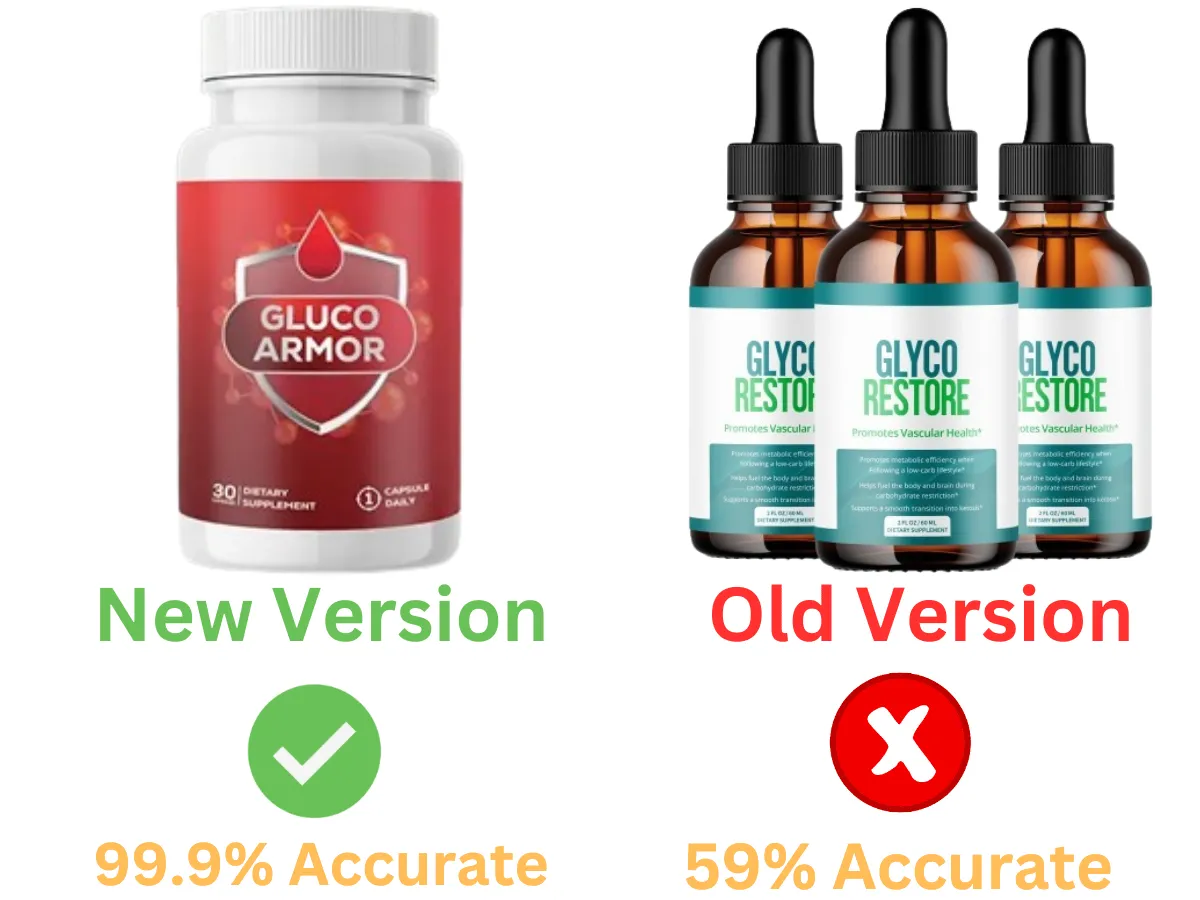
GlycoRestore
#1. Capsule-based dietary supplement designed to support metabolic health and glucose balance.
GlycoRestore is a dietary supplement formulated to support healthy metabolic function and balanced blood sugar levels as part of a well-rounded wellness routine.
That said, the presence of beneficial nutrients does not automatically mean the supplement will produce measurable results for every individual.


What Is GlycoRestore?
GlycoRestore is marketed as a nutritional supplement designed to support healthy blood sugar metabolism and overall metabolic wellness. Like many supplements in this category, it combines vitamins, minerals, and plant-based compounds that are commonly associated with glucose regulation and insulin sensitivity in nutritional research. The presence of a proprietary blend means that the exact amount of each botanical ingredient is not disclosed individually.
At its core, GlycoRestore appears to rely on a micronutrient-focused approach. Instead of being built entirely around exotic herbs or trendy plant extracts, the formula includes several well-known vitamins and minerals involved in metabolic processes. Nutrients such as chromium, magnesium, and zinc have been studied for their potential role in carbohydrate metabolism and insulin signaling pathways. However, it’s important to keep expectations realistic.
Most legitimate metabolic health research suggests that nutritional support works best when it complements a broader lifestyle approach that includes balanced diet patterns, physical activity, and medical oversight when needed. Supplements alone rarely produce dramatic changes. From a formulation standpoint, GlycoRestore includes both standalone nutrients and a proprietary botanical blend.
One positive aspect of the formula is that many of the listed nutrients have established roles in general metabolic processes. For example: Magnesium plays a role in glucose metabolism and cellular energy production. Chromium has been researched for its involvement in insulin signaling. Biotin contributes to carbohydrate metabolism.These are not obscure compounds invented for marketing purposes. They’re real micronutrients involved in normal physiological functions.
Effectiveness depends heavily on dosage, individual health status, diet, and overall metabolic factors.In short, GlycoRestore appears to fall into the category of supportive metabolic wellness supplements rather than a revolutionary breakthrough. That’s common in the supplement industry, though it does make it harder for independent reviewers to verify whether the amounts align with doses used in scientific studies.
How Does GlycoRestore Work?
This is the question every potential buyer wants answered—but it’s also the question that requires the most nuanced discussion. Supplements rarely operate as quick fixes. Most nutritional interventions function gradually, supporting biological processes that already exist within the body. When evaluating GlycoRestore, it helps to think in terms of metabolic support rather than dramatic transformation. In that broader context, supplements like GlycoRestore are best viewed as complementary tools.
The nutrients included in the formula—such as chromium, magnesium, and biotin—participate in metabolic pathways related to carbohydrate metabolism and energy production. Ensuring adequate intake of these nutrients may help the body maintain normal metabolic functions. However, metabolic health is influenced by many factors beyond supplementation. Diet quality plays a major role. Diets high in refined carbohydrates and processed foods can contribute to unstable energy patterns and metabolic strain.
Whole foods rich in fiber, healthy fats, and plant-based nutrients provide foundational support for metabolic wellness. Physical activity also significantly affects how the body processes glucose and maintains insulin sensitivity. Even moderate daily exercise can influence metabolic efficiency. Sleep patterns and stress levels further contribute to metabolic regulation. Chronic sleep deprivation and prolonged stress may disrupt hormonal balance related to appetite and energy metabolism.
Someone who adopts healthier dietary habits, increases physical activity, improves sleep quality, and consults healthcare professionals when necessary may find nutritional supplementation beneficial as part of that routine. But relying on a supplement alone—without addressing lifestyle factors—rarely produces meaningful results. Consumers should approach GlycoRestore with realistic expectations and view it as one piece of a larger wellness strategy rather than a standalone solution.
Many of the nutrients included in GlycoRestore have been studied for their roles in metabolic pathways related to glucose processing and cellular energy. For example, magnesium deficiency has been associated in some studies with impaired insulin function. Chromium has been explored for its potential influence on insulin sensitivity. Antioxidant vitamins such as vitamin C and vitamin E contribute to protection against oxidative stress, which may be relevant in metabolic health contexts.
Limited Time Special Pricing - Act Now!
Secure Your Reserved GlycoRestore While Stocks Last



Benefits Of GlycoRestore
Nutritional Support for Metabolic Wellness: One of the primary potential advantages of GlycoRestore is its focus on micronutrients involved in metabolic pathways.
Antioxidant Protection: Another possible benefit of the formula is its inclusion of antioxidant vitamins like vitamin C and vitamin E.
Supporting Balanced Energy Metabolism: Some users seek metabolic supplements because they experience fluctuations in daily energy levels.
Complement to Lifestyle Interventions: Perhaps the most realistic benefit of GlycoRestore is its potential role as a supportive component of a broader wellness plan.
Ingredients Of GlycoRestore
Ascorbic Acid
Ascorbic acid, more commonly known as vitamin C, is widely recognized for its role in immune support and antioxidant protection. In the context of metabolic wellness, vitamin C may help defend cells against oxidative stress, which can be associated with metabolic imbalances. While it is not a treatment for blood sugar disorders, adequate vitamin C intake contributes to overall cellular health and metabolic stability.
Vitamin E
Vitamin E is another antioxidant nutrient included in the formula. Its primary role is helping protect cell membranes from oxidative damage. Some research suggests antioxidants may play supportive roles in metabolic health by reducing oxidative stress markers. However, vitamin E supplementation should remain within recommended dietary limits, as excessive intake may carry risks.
Biotin
Biotin, sometimes referred to as vitamin B7, participates in several metabolic pathways related to carbohydrate and fat metabolism. The body relies on biotin-dependent enzymes for energy production and nutrient processing. While biotin deficiency is relatively rare, adequate intake supports general metabolic function and energy balance.
Magnesium Oxide
Magnesium is involved in hundreds of enzymatic reactions throughout the body, including those related to glucose metabolism. Some research suggests magnesium status may influence insulin signaling and cellular energy processes. Magnesium oxide is a common supplement form, though its absorption rate can vary compared with other forms such as magnesium citrate or glycinate.
Zinc Oxide
Zinc plays a role in immune function, enzyme activity, and metabolic processes. In metabolic health research, zinc has been investigated for its involvement in insulin production and cellular signaling. Adequate zinc intake supports numerous physiological systems beyond glucose metabolism alone.
GlycoRestore Real Customer Reviews


“I’ve been using GlycoRestore for three months, and my fasting blood sugar has dropped significantly. I feel more energized, and the sugar cravings are way down.”
Robert Thompson-San Francisco, California

“GlycoRestore has helped me maintain steady glucose levels throughout the day. I noticed fewer energy crashes and better sleep since starting it.”
Barbara Williams-San Francisco, California

“I like the natural approach, but I didn’t see major results until after six weeks. It’s not a quick fix, but it’s definitely supporting my overall health.”
James Miller-San Francisco, California
Money Back Guarantee Refund Policy

100% Satisfaction 60 -Day Money Back Guarantee
We believe in guaranteeing our results and we want to make this purchase entirely risk free for you. That’s why if you try GlycoRestore and don’t notice a difference in the first 60 days…
We’ll give you your money back, no questions asked!
Limited Time Special Pricing - Act Now!
Secure Your Reserved GlycoRestore While Stocks Last
Why Choose GlycoRestore?
No Stimulants
Natural Formula
East To Use
Non-Habit Forming
Non-GMO
Gluten Free

100% All Natural
All ingredients are pure, natural, and carefully sourced.

Made In The USA
It is manufactured on US soil.

FDA Approved Facility
It is manufactured according to the latest standards.
FAQs Of GlycoRestore?
Is GlycoRestore a prescription medication?
No. GlycoRestore is a dietary supplement and does not require a prescription.
Can GlycoRestore treat diabetes?
No. Supplements should not be used as treatments for medical conditions. Individuals with diabetes should follow medical advice from healthcare professionals.
How long does it take to see results?
Results vary widely between individuals and depend on factors such as diet, lifestyle, and overall health.
Is GlycoRestore safe to take daily?
Most of its ingredients are common nutritional supplements, but it’s best to consult a healthcare provider before starting any new supplement.
Does GlycoRestore contain stimulants?
Based on the ingredient list, the formula focuses primarily on vitamins, minerals, and botanical extracts rather than stimulants.
Every 6 Bottles Order Gets FREE Shipping Too!
*93% Of Customers Order 6 Bottles (recommended)
Don't Wait Any Longer! Order Your Discounted Bottle Now!
Copyright © 2026 - glycorestore.us
FDA Compliance
All content and information found on this page are for informational purposes only and are not intended to diagnose, treat, cure or prevent any disease. The FDA hasn't evaluated the statements provided on this page. Make sure you consult with a licensed doctor before taking any supplement or making any changes to your diet or exercise plan. Individual results may vary.
The display of third-party trademarks and trade names on this site does not necessarily indicate any affiliation or endorsements of our website. If you click a merchant link and buy a product or service on their website, we may be paid a fee by the merchant.